
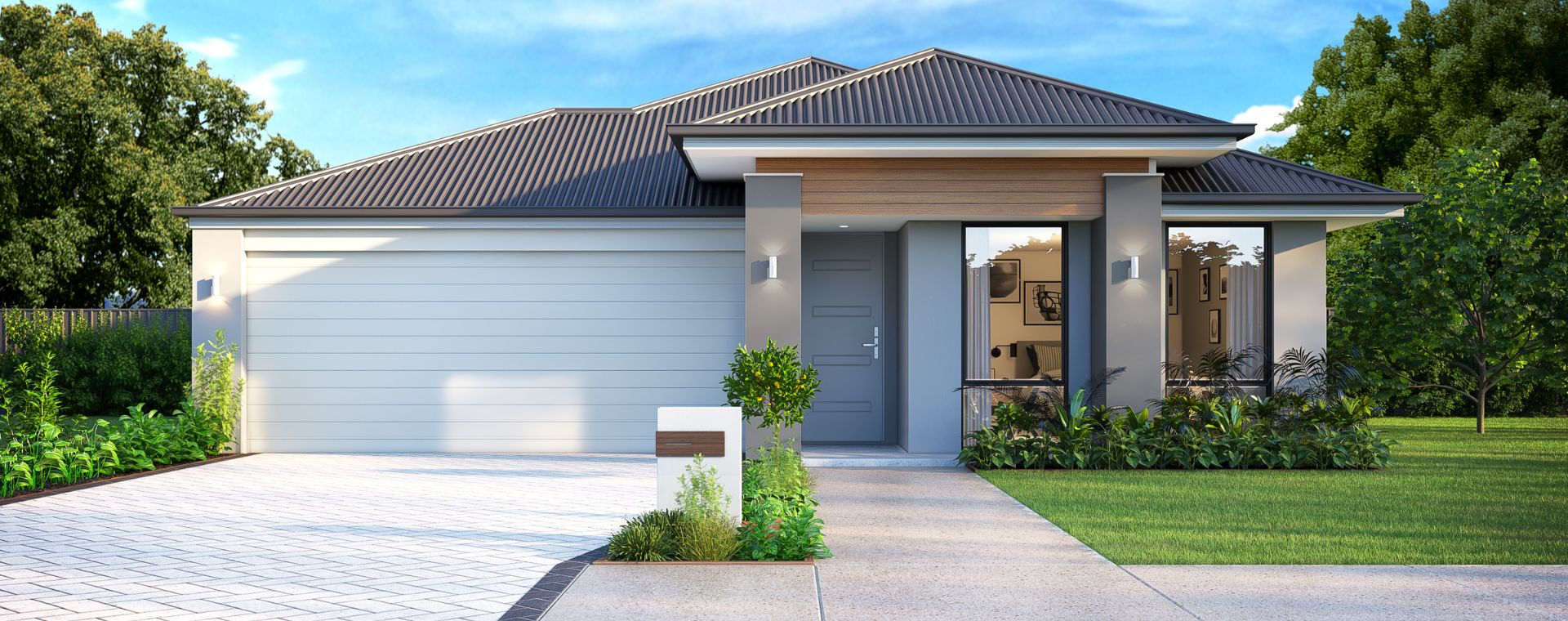
Aspen
Compact design that packs a punch
4
2
2
155 m²
Narrow lots
First home buyers
Young couples

No jargon, no pressure, no obligation to proceed at any point.
Jump to the section that is most relevant to you, or read the whole thing.
We’re ready to guide you every step of the way to your new home.
You are exploring whether building is right for you. No rush — read, learn, and ask questions. We are here when you are ready to go further.
You know you want to build and you are working towards the deposit. We can help you understand what the grants and concessions might mean for what you need to save.
You have your deposit or are close, and you want to understand the options. We can match you to designs, estates, and packages that fit your budget and goals.
Most of what follows applies to first home buyers. If this is your next home, skip to what may still apply to you at the end of this section.
We describe these schemes so you know they exist and what they broadly do. We do not assess your eligibility — that is determined by RevenueWA, Housing Australia, the lender, or Keystart. Always confirm with the authoritative source linked on each card.
A one-off grant of $10,000 for building or buying a new home. It is not available for established homes — building a new home is one way to access it.
First home buyers who meet the eligibility criteria, including property value caps. From 7 May 2026 the cap south of the 26th parallel rose to $800,000, and the link between the FHOG cap and the first home owner duty rate was removed — so a buyer over the grant cap may still access the duty concession.
Whether the property you are considering is under the value cap for your location, and whether you meet the occupancy and citizenship requirements.
A transfer duty concession for eligible first home buyers. From 7 May 2026: no transfer duty up to $600,000 (previously $500,000), concessional rate to $800,000 (previously $700,000). For vacant land: no duty up to $450,000 (previously $350,000), concessional to $550,000 (previously $450,000).
First home buyers purchasing a home or vacant land below the thresholds. The FHOG cap and duty concession are no longer linked, so you may access the duty concession even if you are over the grant cap.
Whether your purchase price falls within the concession thresholds, and whether you meet the eligibility criteria for the first home owner rate of duty.
Buy with a 5% deposit without paying Lenders Mortgage Insurance — the government guarantees up to 15% of the value. From 1 October 2025 there are no place limits and no income caps. Property price caps: Perth $850,000, WA regional $600,000.
First home buyers (and certain eligible buyers who have previously owned a home) who can meet the deposit and loan requirements. The removal of income caps and place limits means more people may be eligible than previously assumed.
Whether the property you are considering is under the price cap for your area, and whether your lender participates in the scheme.
A federal shared equity scheme. The government takes an equity share in the property, which reduces what you borrow and what you own. This means your repayments are lower, but you also own less of the home and will need to buy out the government share if your circumstances change.
First home buyers who meet the income and price caps. The equity-share trade-off is the key thing to understand — you are exchanging a share of your home for a lower deposit and smaller loan.
Current income and price caps (these may change), whether the scheme is accepting new applications, and what happens to the government share if you sell or refinance.
Save deposit money through voluntary superannuation contributions and withdraw it for a first home purchase, within limits. The scheme can reduce the tax on your savings, but there are caps on how much you can contribute and withdraw.
First home buyers who want to save a deposit through their super fund. It works best for people who plan ahead — the contributions need to be made before withdrawal, and there is a minimum holding period.
Contribution caps, withdrawal limits, and whether your super fund supports the scheme. The Australian Taxation Office administers the scheme.
A family member (typically a parent) uses their own property as additional security so you can borrow with a smaller deposit and avoid Lenders Mortgage Insurance. The guarantor takes on real financial risk — if you are unable to meet repayments, their property may be at stake.
Buyers with a family member willing and able to act as guarantor. This is a significant commitment for the guarantor, and it carries real consequences for them.
Guarantor arrangements require proper legal and financial advice for both you and the guarantor. Speak to a lending specialist or financial institution and consider independent legal advice before proceeding. We do not provide advice on guarantor structures.
Speak to a lending specialist or financial institution
Most first home buyer schemes no longer apply. The schemes below are not limited to first home buyers and may still be relevant.
A WA Government lender offering low-deposit loans without Lenders Mortgage Insurance, plus a shared-equity option. Eligibility criteria and income limits apply. Keystart is not exclusively for first home buyers — some products may suit next-home buyers as well.
Buyers who can meet Keystart eligibility criteria, including income limits. The low-deposit option may suit buyers who have income capacity but are still building a deposit.
Current income limits, eligible property types, and whether the shared-equity option suits your situation. Speak to a lending specialist or financial institution to compare Keystart against other lenders.
A transfer duty concession for buying or building a new home, extended to 30 June 2028 and expanded to include new dwellings in survey-strata and community title schemes, with increased value thresholds effective 12 March 2026. This concession is not limited to first home buyers.
Buyers of new homes or off-the-plan dwellings who fall within the value thresholds. This is the main scheme that may still apply if this is your next home rather than your first.
Whether your purchase qualifies under the expanded criteria, and what the current value thresholds are. Confirm with the State Revenue Office or your conveyancer.
Mortgage repayments increase when the loan reverts to Principal and Interest. This is general information only and does not constitute financial, tax, or investment advice. You should consult your own registered tax agent or licensed financial adviser before making any investment decision.
Each step shows what we do and what you do — so you can see you are never left holding something alone.
Tell us about your goals, your family, and where you want to live.
We listen to where you are and what you are looking for.
Share where you are with finance and deposit savings.
A specialist reviews your position and confirms a suitable path forward.
Talk to us or your financial institution about your borrowing capacity.
We walk you through the grants and concessions that may apply, and help you understand the shape of the costs.
Choose from a range of tried-and-tested home designs.
We help you find a design that fits your land, your budget, and how your family lives.
Review the plans and ask anything before committing.
We prepare a preliminary agreement locking in the design, inclusions, and scope.
Sign the contract when you are ready and comfortable.
A formal building contract is prepared directly between you and our trusted builder.
Stay informed at each stage — ask questions any time.
Regular stage updates with a named contact throughout construction.
Collect your keys and move in.
Your home is handed over, tenant-ready or move-in ready.
You have done this before, so you know what you want. These are the concerns that are specific to buying your next home as a build rather than an established purchase.
Some buyers build first and sell after; others sell first and rent in between. What works depends on your financial position, your lender, and the market.
Staying in your current home, renting, or short-term accommodation are all options.
More bedrooms, fewer, a different suburb for schools, a single storey for accessibility — whatever the reason, a new build means a home designed for where your family is now, not where it was.
You know the process, you know what you want, and you know what to ask. The main thing that has changed is that most first home buyer help no longer applies — the trade is certainty and specification rather than grants.
Building a second home is the ultimate opportunity to design the space you’ve always wanted—correcting past compromises and bringing fresh visions to life.
These are the same designs we use across the site, shown here for how your family would live in them — bedrooms, living spaces, and block orientation.
Compact design that packs a punch
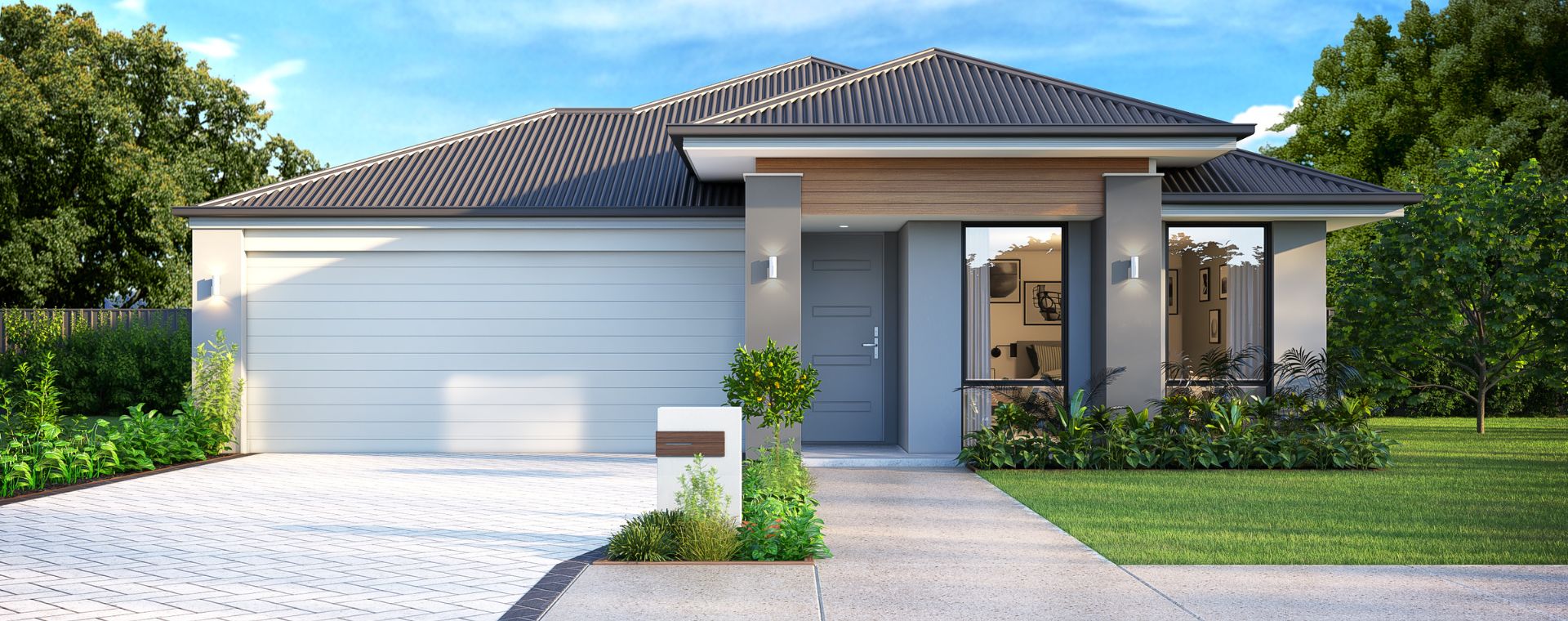
Designer finishes on a clever 12.5m footprint
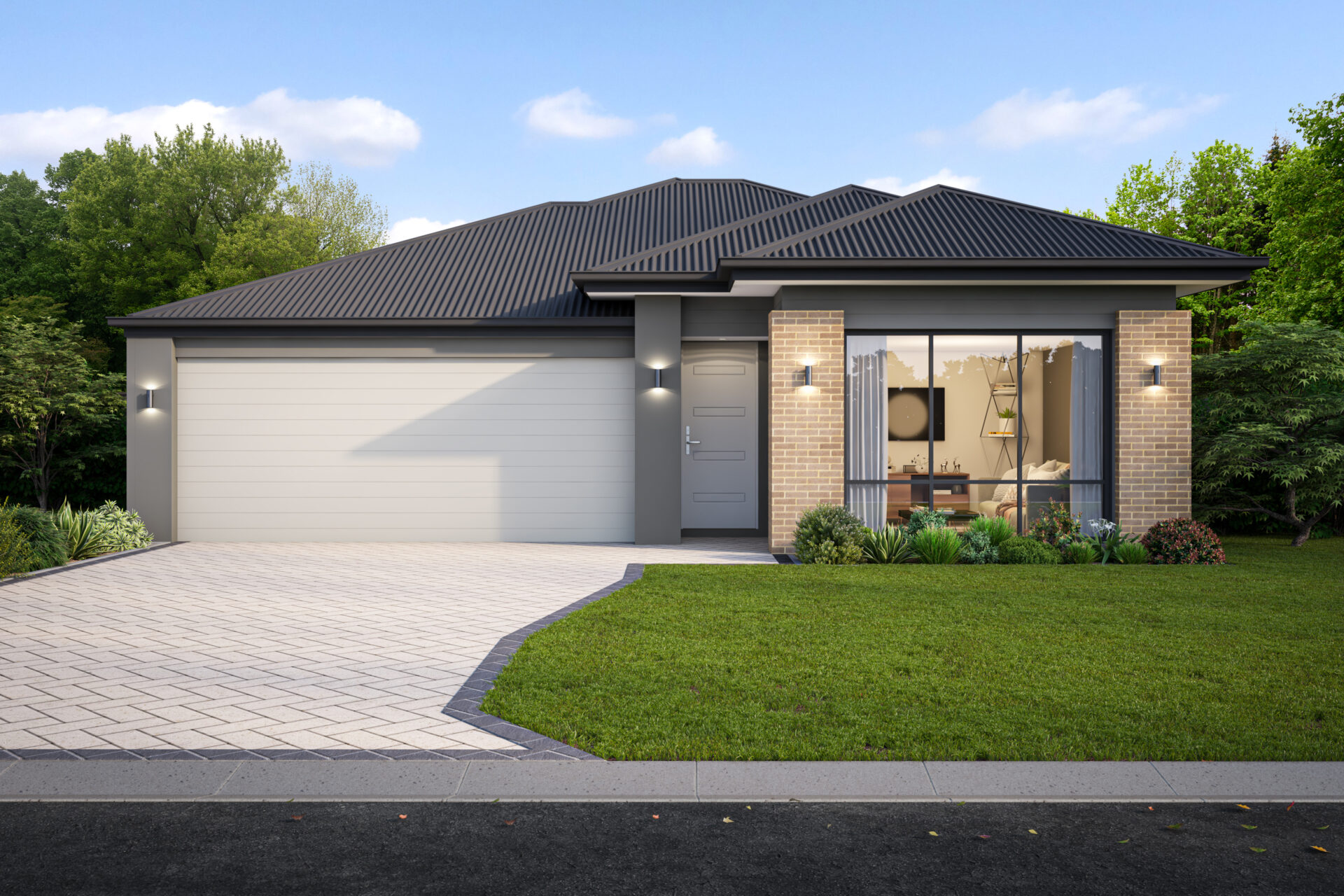
Business out the front, party out the back
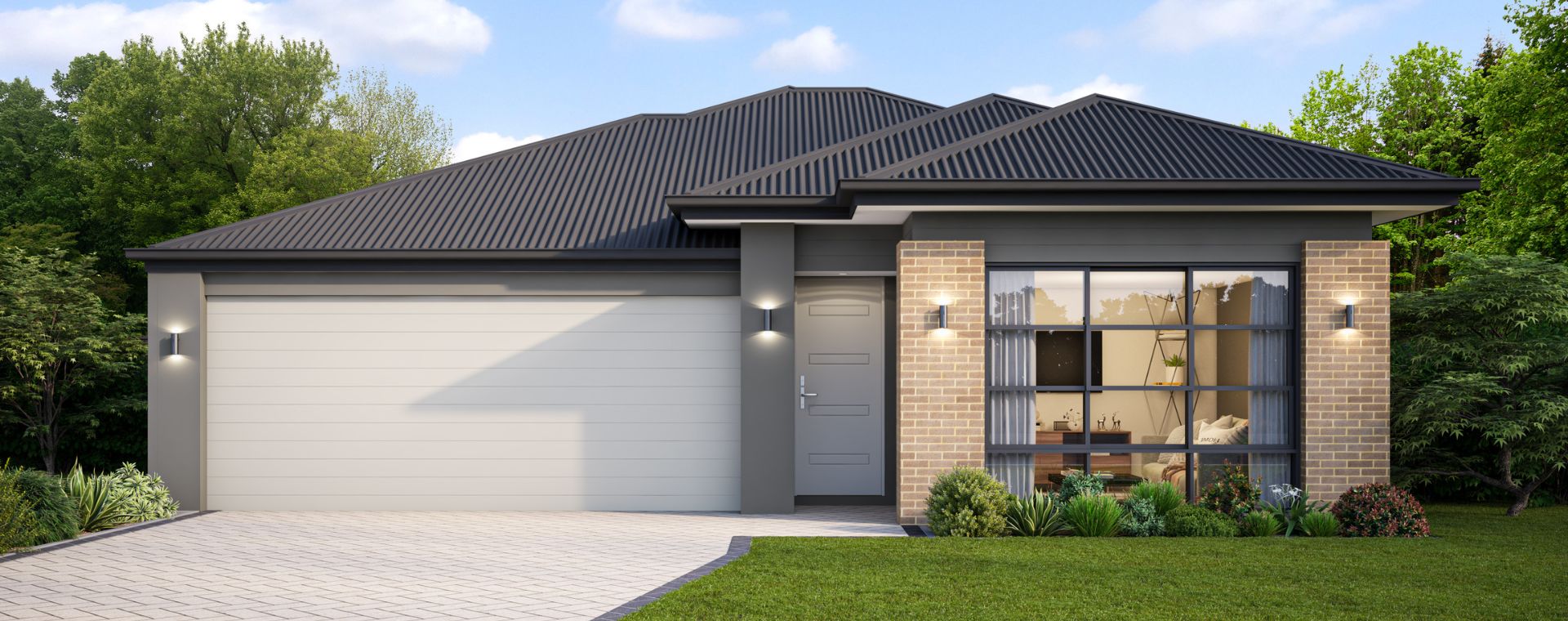
Modern living designed for comfort and style

A four bedroom home with everything you need
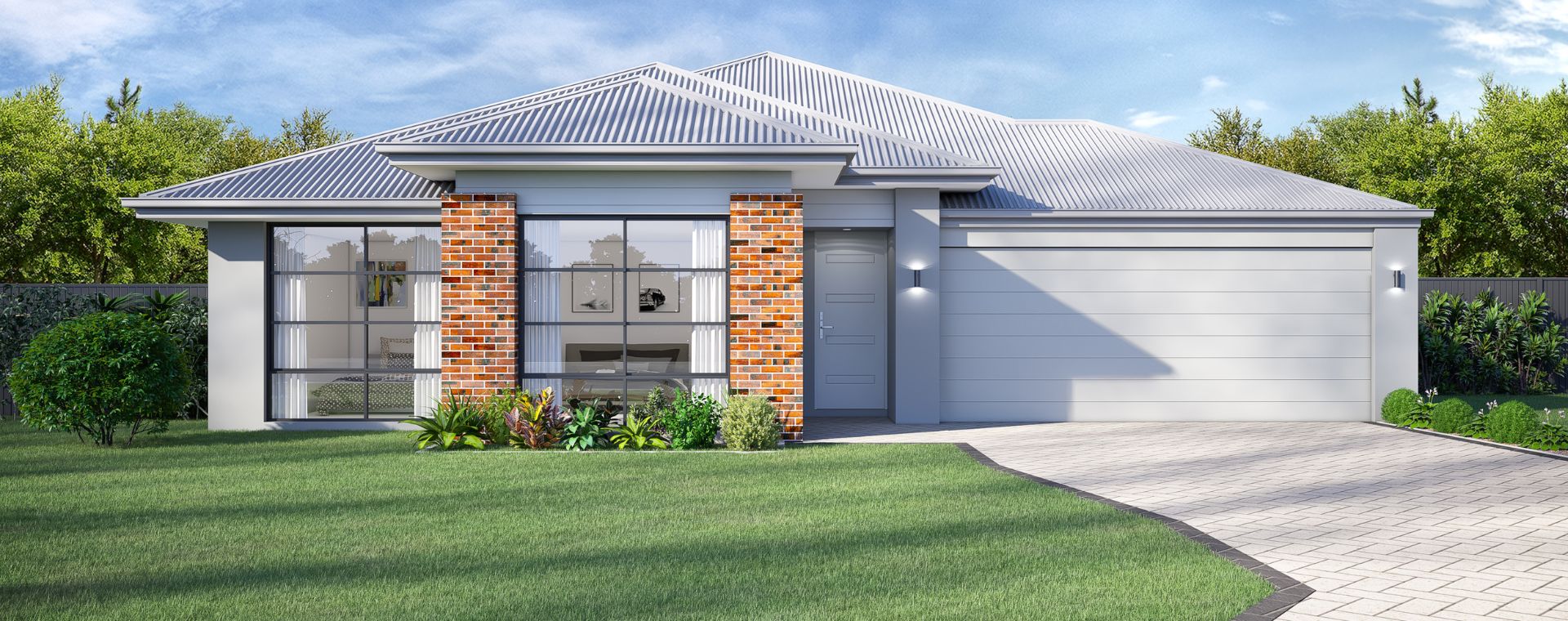
Room to breathe for growing families
Grouped by topic so you can find what you need. Every answer touching money includes a pointer to the right person to confirm it.
A short, honest list of circumstances where building is not the answer yet. This looks like it costs conversions. It does not. The people it filters out were never going to proceed, and the people it keeps trust everything else on the page more.
Your income is not stable enough to carry progress payments
Progress payments come during the build, not at the end. If your income is irregular or uncertain, carrying them may add stress you do not need.
Your deposit is not there yet
If you are still saving, that is fine — but building is not the right move until you are there. Focus on the deposit first, and come back when you are ready.
A move is on the horizon
If you are planning to leave Perth within the build period or shortly after, the logistics of a new build may not make sense for your situation.
Not this year? That is fine. Read more and come back when it suits. The market will still be here, and so will we.
No obligation, no call you did not ask for. Share your details and we will be in touch.